STEM Education: Beyond Science and Math
STEM — Science, Technology, Engineering, and Mathematics — is more than a school subject. It’s a mindset that encourages children to think critically, explore creatively, and solve problems independently. In Singapore, this approach aligns with the Ministry of Education’s 21st-Century Competencies Framework, which promotes innovation, communication, and adaptability in learning.
Research consistently supports this shift. A 2023 meta-analysis in Frontiers in Psychology found that children engaged in inquiry-based and project-based STEM activities demonstrated stronger problem-solving and reasoning skills compared to peers in traditional instruction environments. (Frontiers in Psychology, 2023)
From the Classroom to the Real World
The world’s most successful learners aren’t just those who memorize formulas — they are those who can apply knowledge to new situations. According to the OECD’s Programme for International Student Assessment (PISA), students who engage in hands-on STEM experiences show higher resilience when solving unfamiliar problems. (OECD PISA 2022 Results)
That’s why STEM education today emphasizes learning by doing. When children build, test, or experiment, they’re not only learning science — they’re practicing innovation.
Real Examples from Little Skoolz
At Little Skoolz, we bring STEM to life through camps that blend science, storytelling, and teamwork. Each program gives children the chance to observe, question, and apply ideas — the same way real scientists, engineers, and entrepreneurs do.
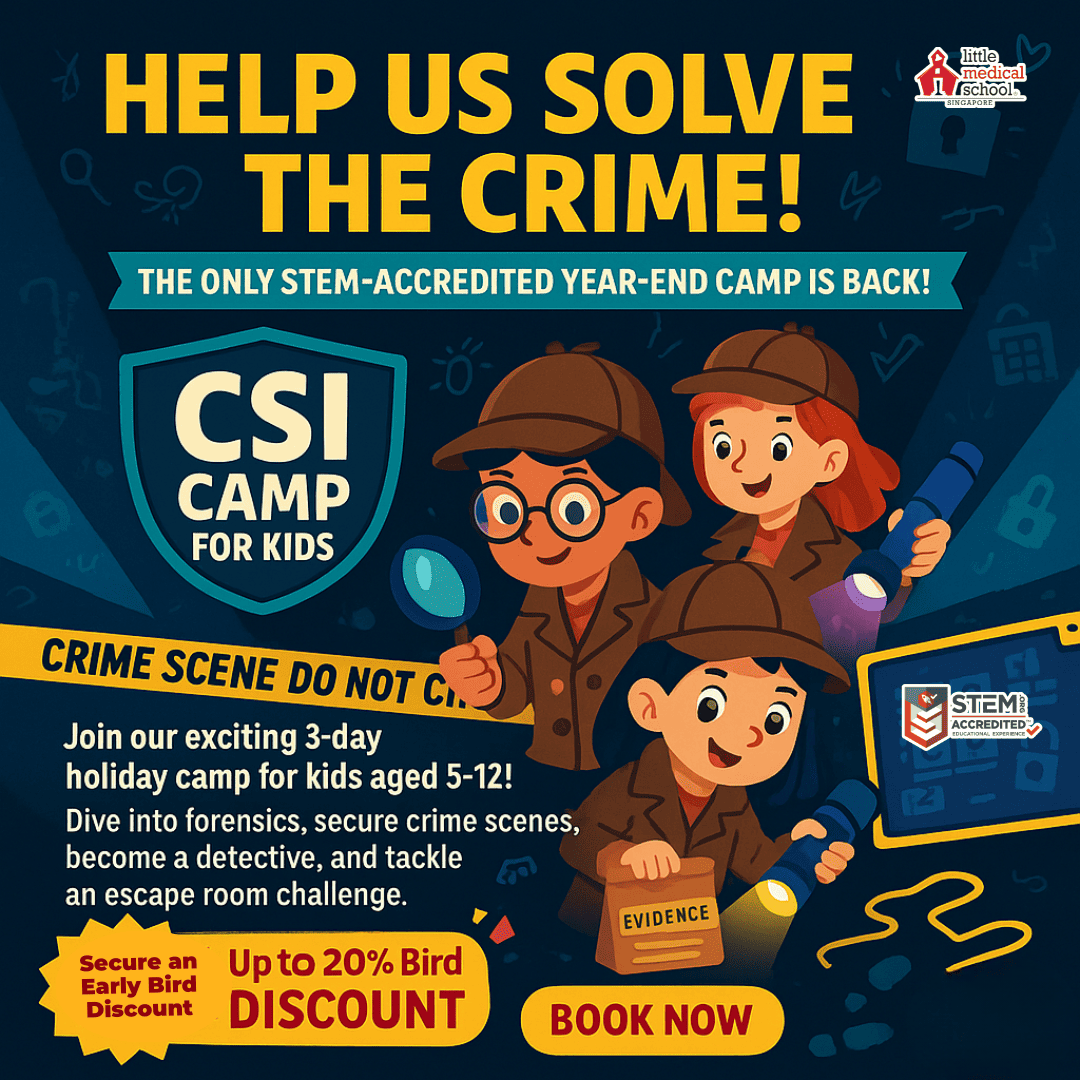
🔍 CSI Forensics Camp
Kids take on the role of junior detectives, learning to analyse fingerprints, study evidence, and solve mysteries. They discover that science is not just found in textbooks — it’s a way of thinking and observing the world.
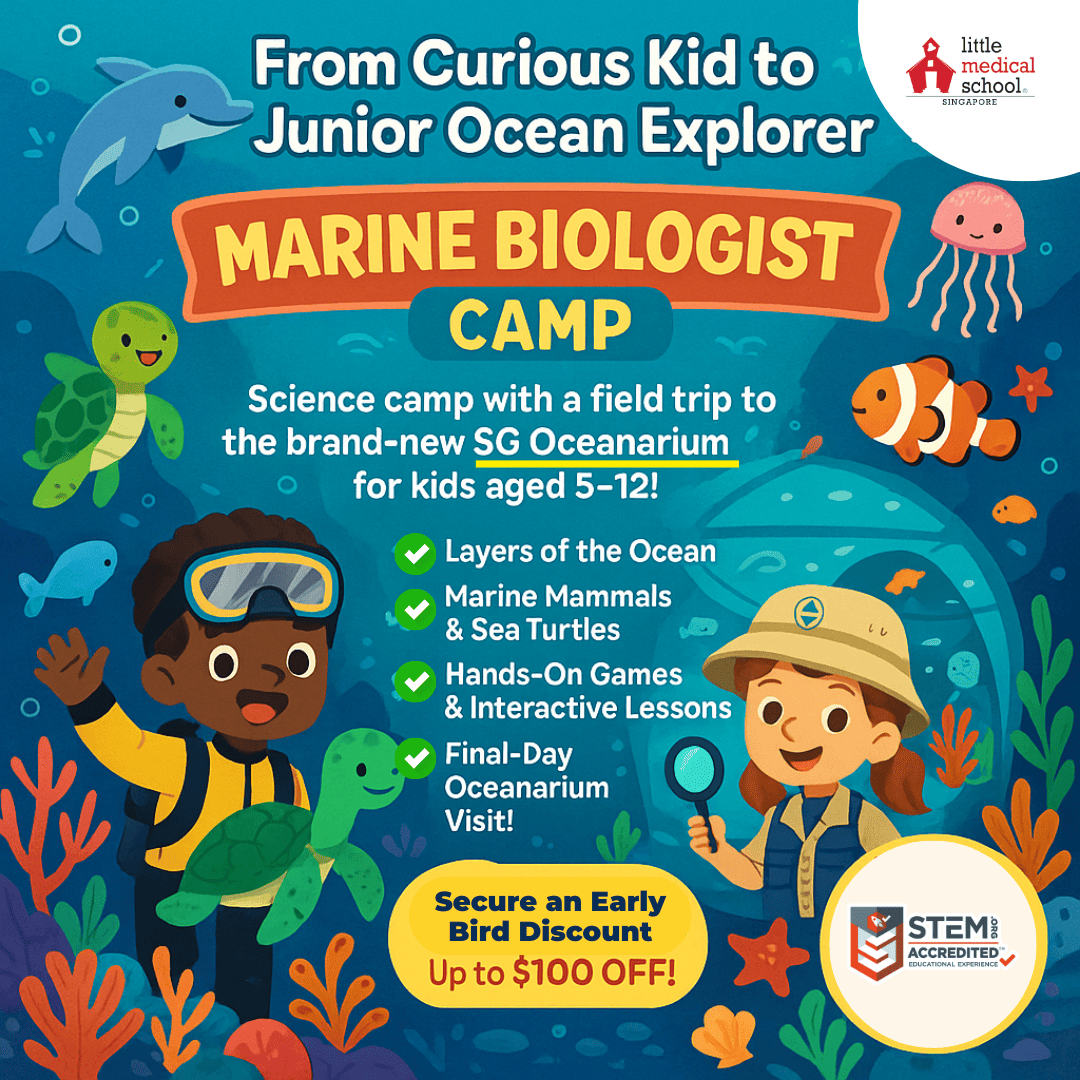
🌊 Marine Biologist Camp
Through marine science experiments and field observation, children understand environmental systems and conservation. A 2021 study from the Journal of Environmental Education notes that early exposure to environmental science promotes stronger eco-literacy and responsibility in later years. (Journal of Environmental Education, 2021)
💼 Billionaire Kidz Camp
STEM isn’t just about technology — it’s about applying logic and innovation. In Billionaire Kidz Camp, children use research, creativity, and data to develop business ideas — proving that science, math, and communication all work hand in hand.
What the Research Says About Hands-On Learning
According to Harvard University’s Active Learning Study (2019), students who learn through interactive, participatory methods outperform those who receive traditional lectures — even if they feel they learned less. In other words, real engagement beats passive listening. (Harvard Gazette, 2019)
Similarly, research from the American Educational Research Journal (2022) found that problem-based STEM projects help children develop metacognition — the ability to “think about thinking” — which is directly linked to academic success and resilience. (American Educational Research Journal, 2022)
How Parents Can Encourage STEM Thinking at Home
- 🔬 Ask open-ended questions — instead of “What did you learn?”, ask “What do you think will happen if…?”
- 🧩 Provide opportunities to build — with LEGO, recycled materials, or science kits.
- 🌍 Encourage curiosity outdoors — simple nature walks can spark discussions about biology, physics, and design.
- 💬 Celebrate mistakes — explain that failure is part of experimentation, not the end of learning.
The Future of Learning in Singapore
Singapore’s education landscape is shifting towards creativity, design thinking, and innovation. In alignment with MOE’s “Learn for Life” movement, enrichment programs play a vital role in nurturing these skills early.
At Little Skoolz, we’re proud to be part of this transformation — helping children connect curiosity with capability through authentic, play-based STEM learning.
The next generation of problem solvers won’t come from memorization; they’ll come from exploration.